Muhamad Fadil bin Abdul Jalil (66764)
Course Learning Outcome (CLO)
- Outline fundamental biochemical principles such as the
structure and function of biomolecules (C4). - Differentiate biochemical principles, enzymes and metabolic pathways (C4).
- Conduct experimental techniques used in biochemistry (P4).
Biochemsitry
Biochemistry is the discipline that uses the language of chemistry to explain biology. It is the study of life on molecular level. Biochemistry also describes the chemistry of living cell.
Areas of study:
- Conformational: structure and 3D arrangements of biomolecules (protein structure)
- Metabolism: biochemical pathways (Kreb cycle) and energy production and utilization (glycolysis)
- Informational: language for communication inside and between cells (signal transduction)
NaCl (Salt) and Water Interaction
This video show the interaction between NaCl and water molecules when it is dissolved in the water.
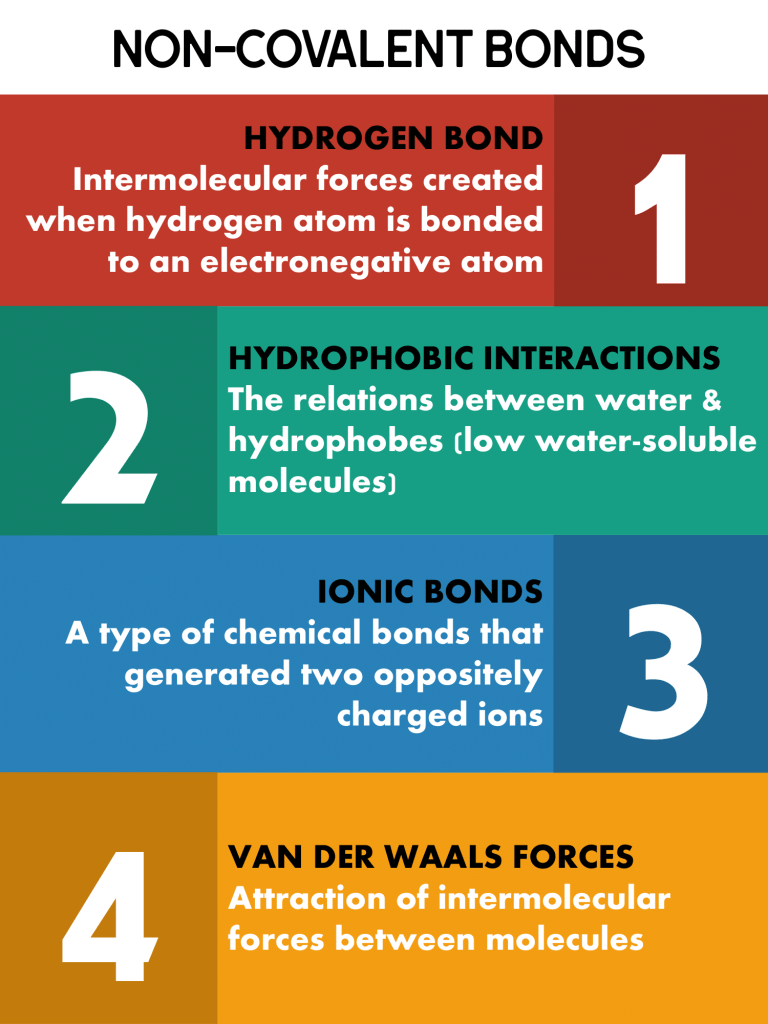
Non-covalent Interactions
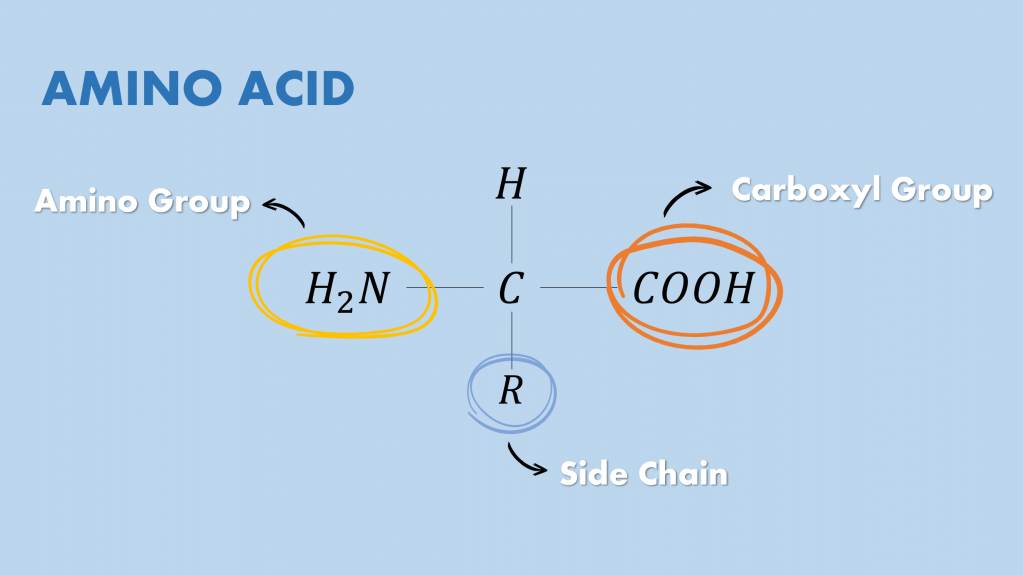
Amino Acids
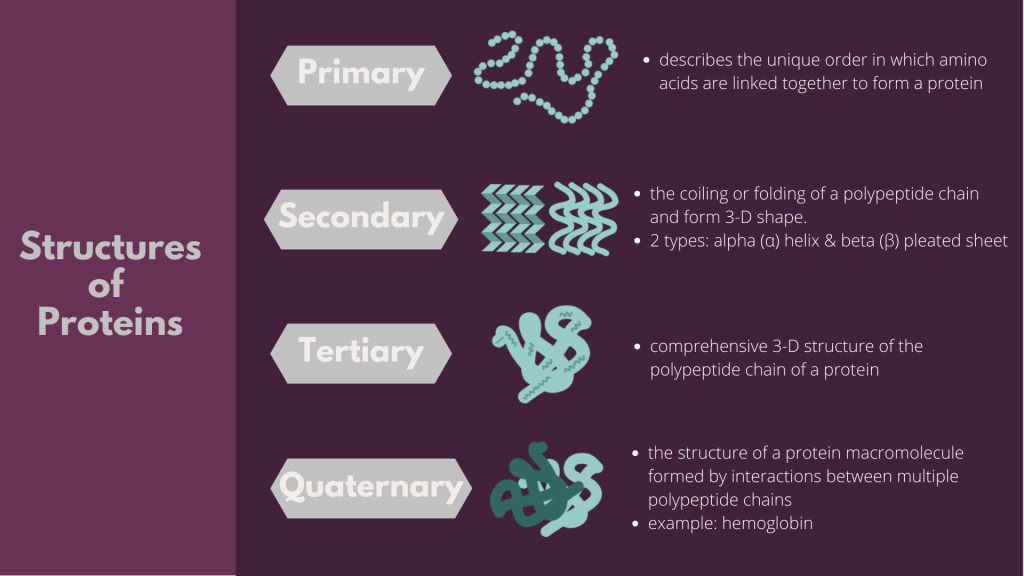
Protein
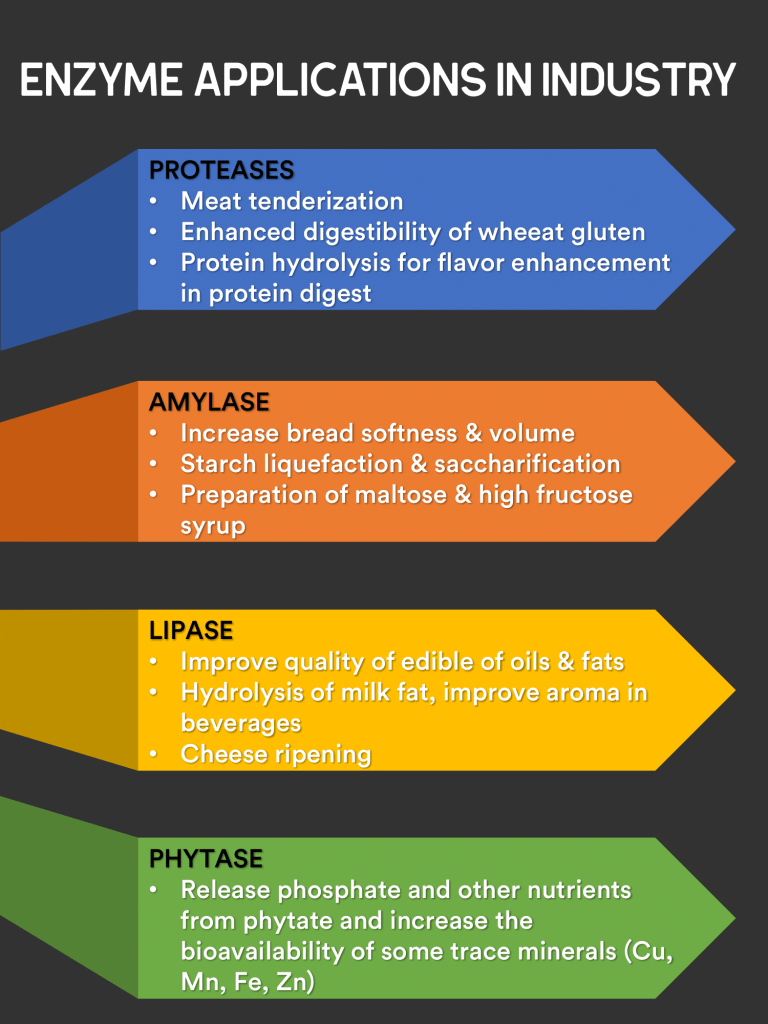
Enzyme Applications
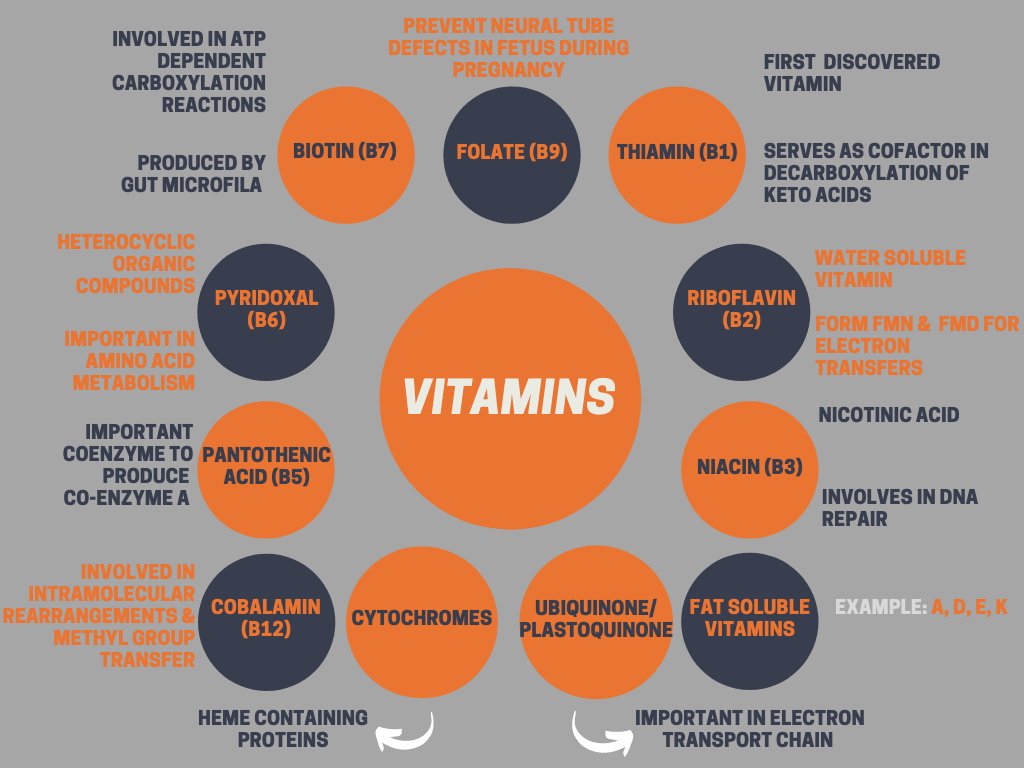
Vitamins
Carbohydrates

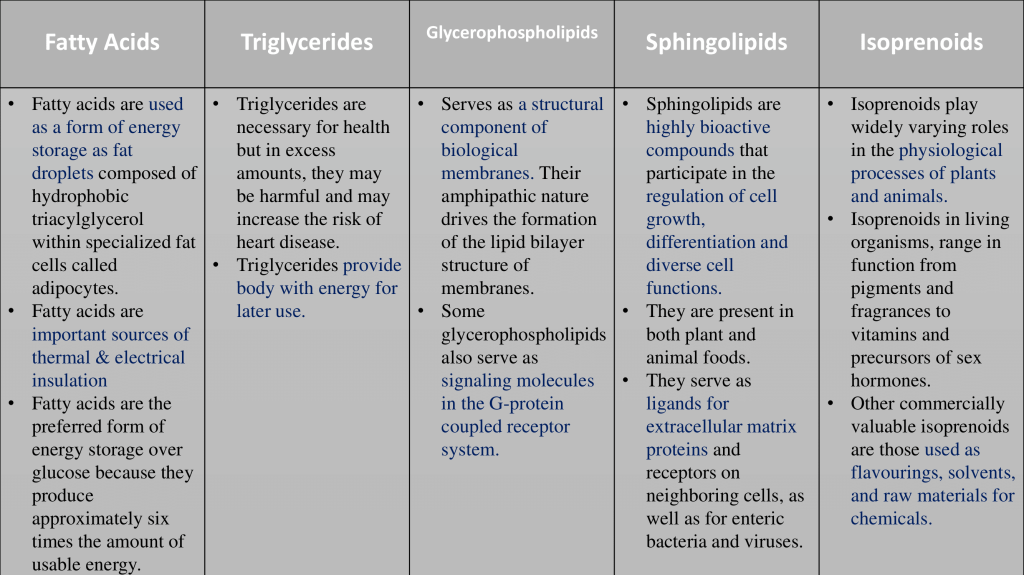
Lipids
Glycolysis
https://drive.google.com/file/d/13FeIk_a_y2g0pSzTbsZinCVlnPkIcE69/view?usp=sharing
Kreb’s Cycle
https://drive.google.com/file/d/1DTj2EHf7PD5BTX37in4Oslw7rWxwZP-_/view?usp=sharing
Electron Transfer System
https://drive.google.com/file/d/1rwge8-7KGPrJXSFX_WDnH38BQj1B5lZ8/view?usp=sharing
 Biochemistry e-Portfolio